PART II 1900-1950- As American as Public School, ASSIGNMENT PART 3
PART II 1900-1950- As American as Public School
ASSIGNMENT PART 3
When I first read School: The Story of American Public Education, I noticed that education has always been linked to freedom and opportunity, but not everyone had equal access. Schools shaped what it means to be American, helping immigrants belong, empowering African Americans, and promoting democracy through Dewey’s ideas. I was moved by people who risked their safety to learn, showing that education is about courage as well as success. This made me realize that schooling can empower but also reflect inequality, and more work is needed for equal opportunities.
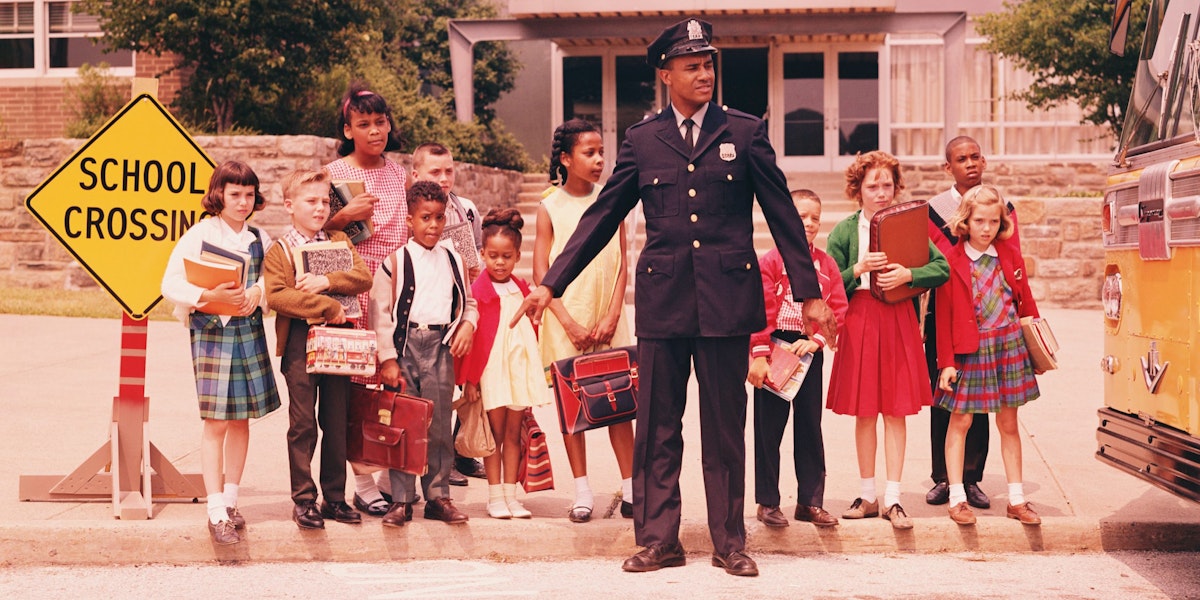
In our group discussion, we noticed that schools from 1900 to 1950 were meant to offer opportunity but often reinforced inequalities for minorities and immigrants. Segregation, limited resources, and tracking students into vocational programs showed that access to education was not equal. We also saw that learning could be empowering, like for African Americans during slavery, but sometimes risky. Progressive education focused on critical thinking, problem solving, and supporting the whole child, not just academics. However, these reforms were applied unevenly, showing that education only transforms lives when it is fair and accessible to all.
As American as Public School and how clearly the ideas were explained. In the Agree section, one of the main points was that learning was a way for Black people during slavery to show resilience and take control of their lives. Education was more than just school work, it was a tool for empowerment and freedom. Another point emphasized John Dewey’s progressive education ideas and how schools shifted from memorizing facts to learning critical thinking and problem-solving skills, which helped students prepare for real life and become active citizens.
In the Argue section, the group discussed how minority and immigrant students were often unfairly tracked into vocational programs, and how segregated schools received fewer resources, highlighting the inequalities in the system. Another point focused on the risks Black people faced when trying to learn, showing how dangerous it could be just to pursue an education. There was also discussion of the “life adjustment” curriculum, which focused on practical skills but sometimes took attention away from academics, making it harder for students to prepare for college or advanced careers.
For Assume, one important idea was the contradiction between the promise of equal education and the reality of segregation and underfunded schools. Another assumption was that progressive reforms were not implemented the same way in all schools, with urban and rural areas often having very different experiences. Additionally, there was the idea that learning acted as a tool for resistance and identity, showing that education gave students a sense of power and hope even in difficult circumstances.
In the Aspire section, the discussion focused on the kind of education the group wants to see today. One key point was the importance of giving students both practical life skills and strong academic knowledge so they are prepared for college and the real world. Another idea was that schools should follow the progressive philosophy of educating the whole child, helping students grow socially, emotionally, and academically. The group also reflected on the courage and determination of students in the past and how that persistence can inspire current and future learners.
Overall, our group discussion helped us understand how public education from 1900 to 1950 shaped American identity while also showing the inequalities that existed within the system. Education was both empowering and limited, offering opportunities for some while excluding others. Reflecting on these sections helped us see how schools have the power to transform lives and the importance of continuing to improve education so that it is truly accessible and meaningful for all students.


Commentaires
Enregistrer un commentaire